Pre-Training Solo ProjectPersonal / Game Dev

Stellarium

A 15-month solo survival game project built before my formal software engineering training.

Stellarium is a personal Unreal Engine project I built alone over roughly 15 months before my BUT in computer science. I do not present it as a code-quality reference, but as proof that I could already sustain a large scope, learn autonomously, and push an ambitious idea to a playable state.

Unreal EngineBlueprintsGameplay SystemsAI BehaviorsGame Design DocsWorld MapsGameJolt

Overview

The value of Stellarium in this portfolio is not clean architecture. The code and structure are below my current standards, and that should be stated plainly. What matters is that before formal training, I carried a long solo project across multiple planets, survival systems, creatures, construction, ships, bosses, and a final trailer. It is a strong signal of persistence, self-teaching, and early exposure to real complexity.
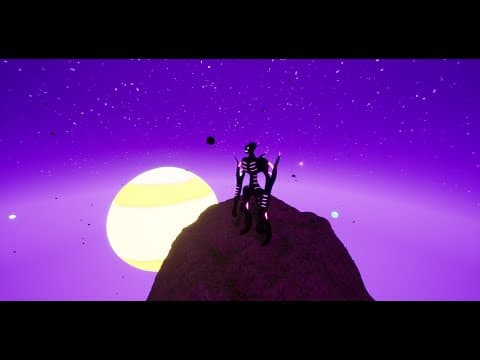
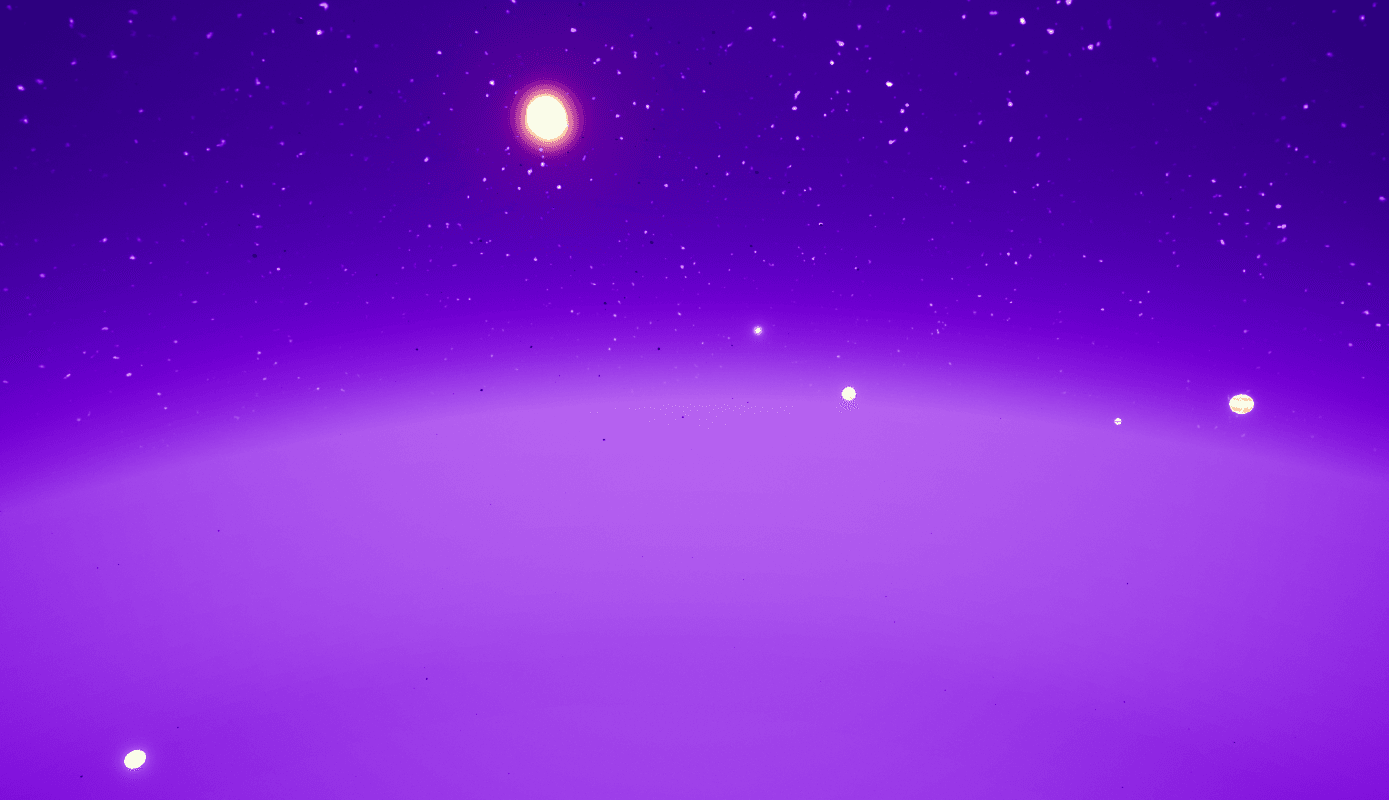
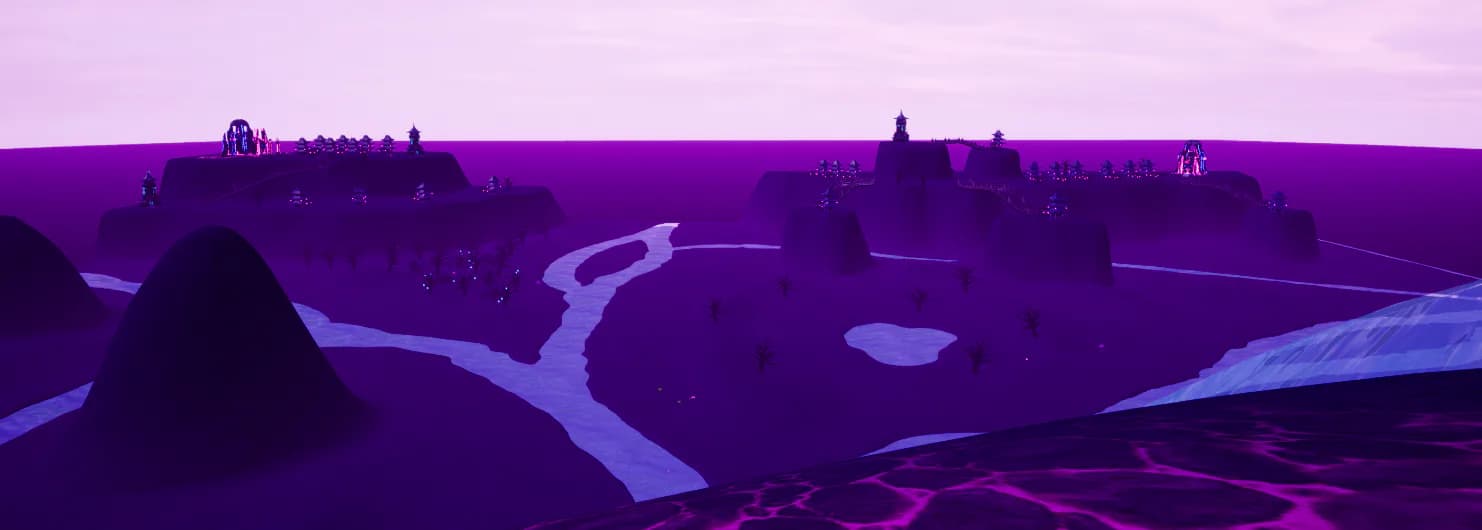
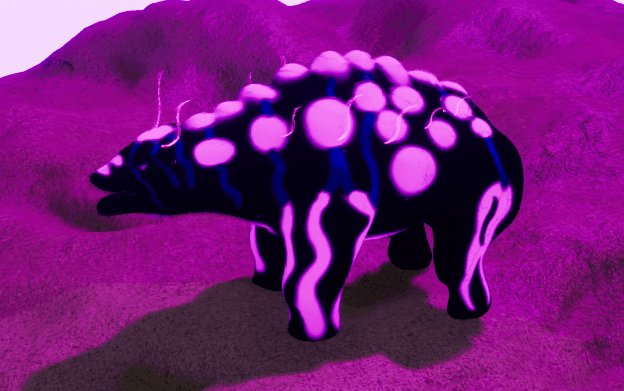
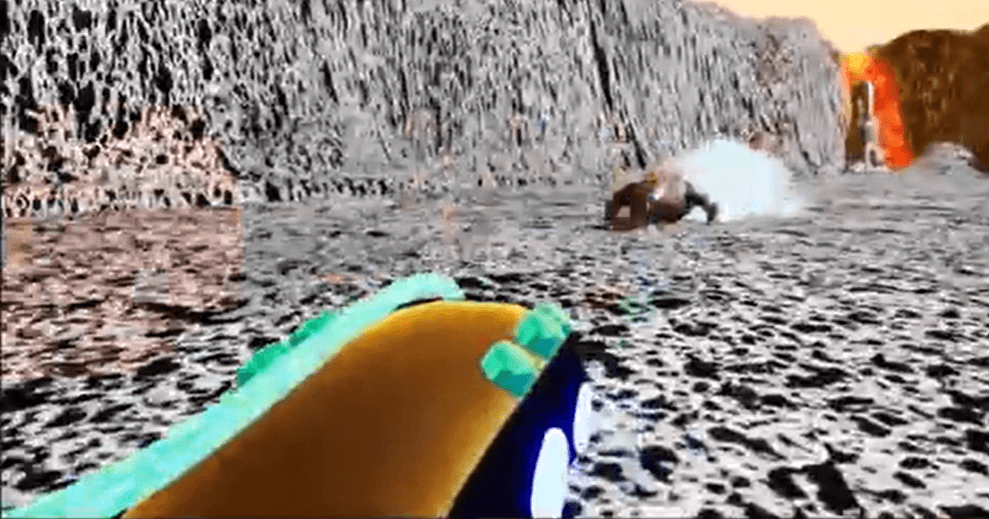
Main Stellarium screenshot showing the character in the purple space-zone atmosphere

Scope Indicators

Duration

15 months solo

Positioning

Before formal training

Outcome

Playable prototype

What it proves

Autonomy + persistence

Key Highlights

15 months of solo work before formal software training

Playable prototype with planets, creatures, construction, and progression

Concrete proof of long-form iteration and autonomous learning

Useful today as a mindset project, not as a code showcase

Technical Challenges

Keeping momentum on a project of this size over 15 months without formal training or team structure.

+

A large part of the difficulty was simply duration. This was not a short experiment but a project I kept pushing alone over a long period, while still learning how to organize my work.

That matters in the portfolio because it shows persistence and follow-through, even if the code quality itself is not what I would accept today.

Using Unreal Engine, gameplay logic, world-building, and iteration as an autodidact while the project itself kept growing.

+

I was learning while shipping, not after the fact. That means many systems were built with a very exploratory mindset, which helped me progress fast but also created structural weaknesses.

The important point is not that the implementation was perfect, but that I was able to turn self-teaching into a concrete playable result.

The game had very large ambitions, so I also had to keep the six planets and all the creatures running without turning the whole thing into a slideshow.

+

A real technical problem was performance. With that many planets, creatures, and systems, the project could easily have become too heavy to run properly.

I did manage to make it work, but honestly through a lot of pragmatic fixes and hand-tuned adjustments rather than a clean optimization architecture. It was bricolage, but it taught me a lot about where performance pressure appears in a game project.

Discovering in practice how weak structure and unclear boundaries make a growing project harder to evolve.

+

This project gave me a first real collision with technical debt. As more features were added, every change became harder because systems were not separated clearly enough.

That lesson is one of the main reasons I care so much more today about architecture, modularity, and maintainability.
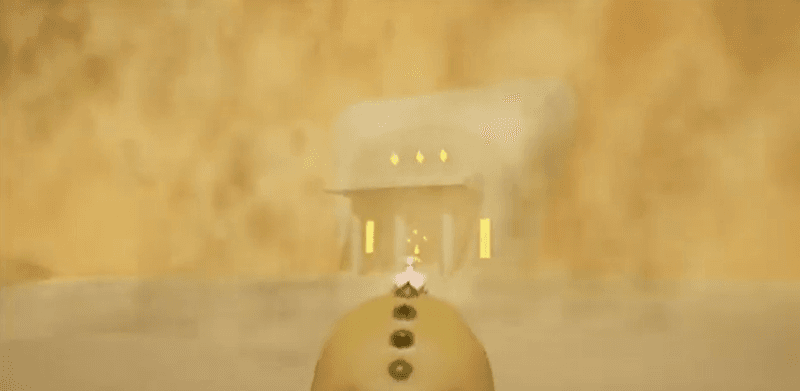
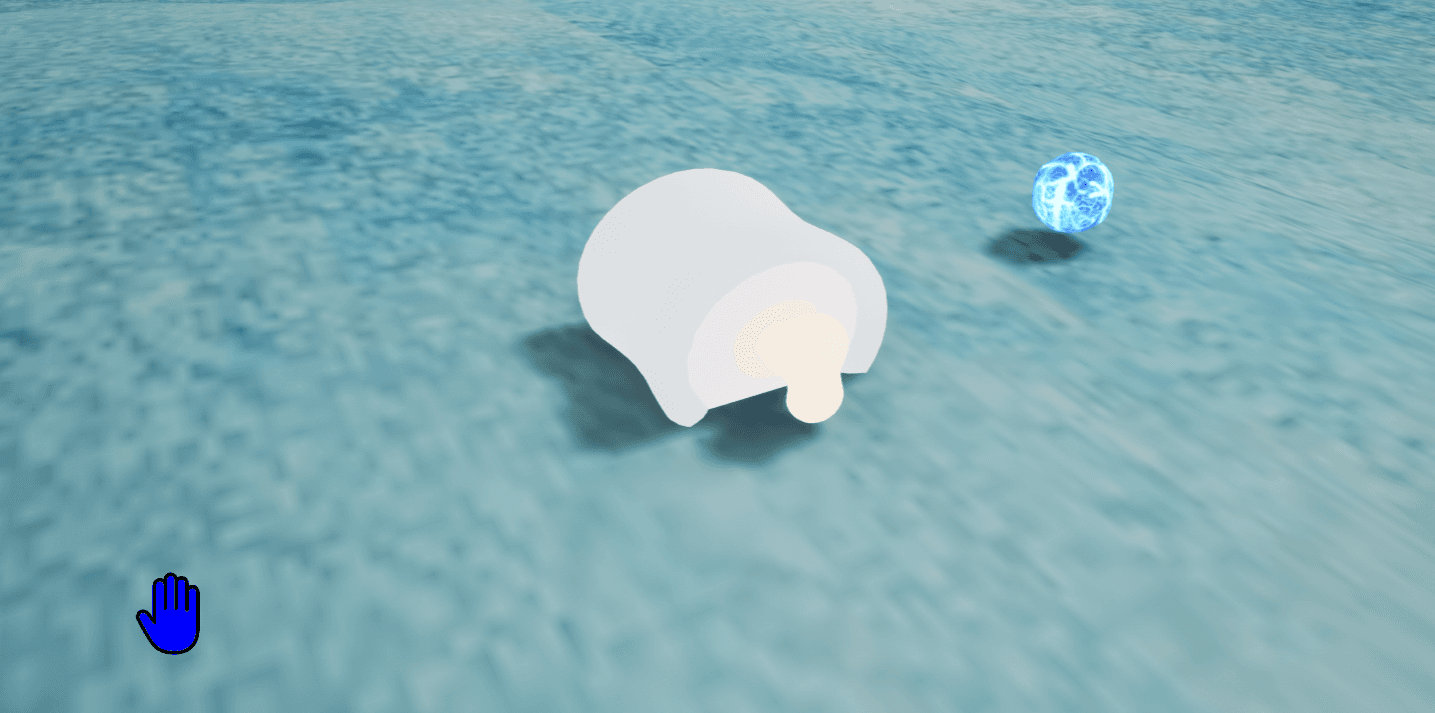
World

Planet Connection Graph

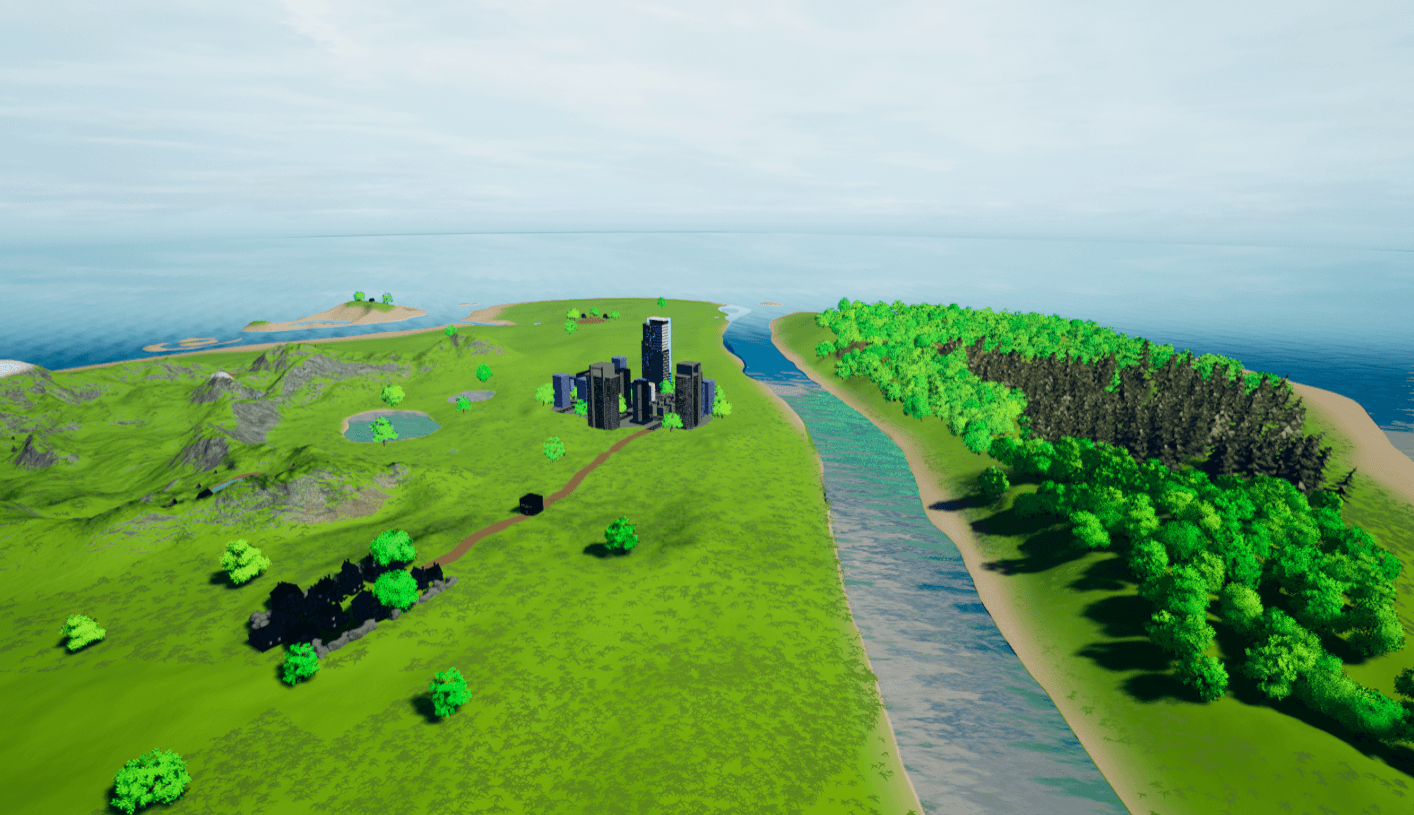
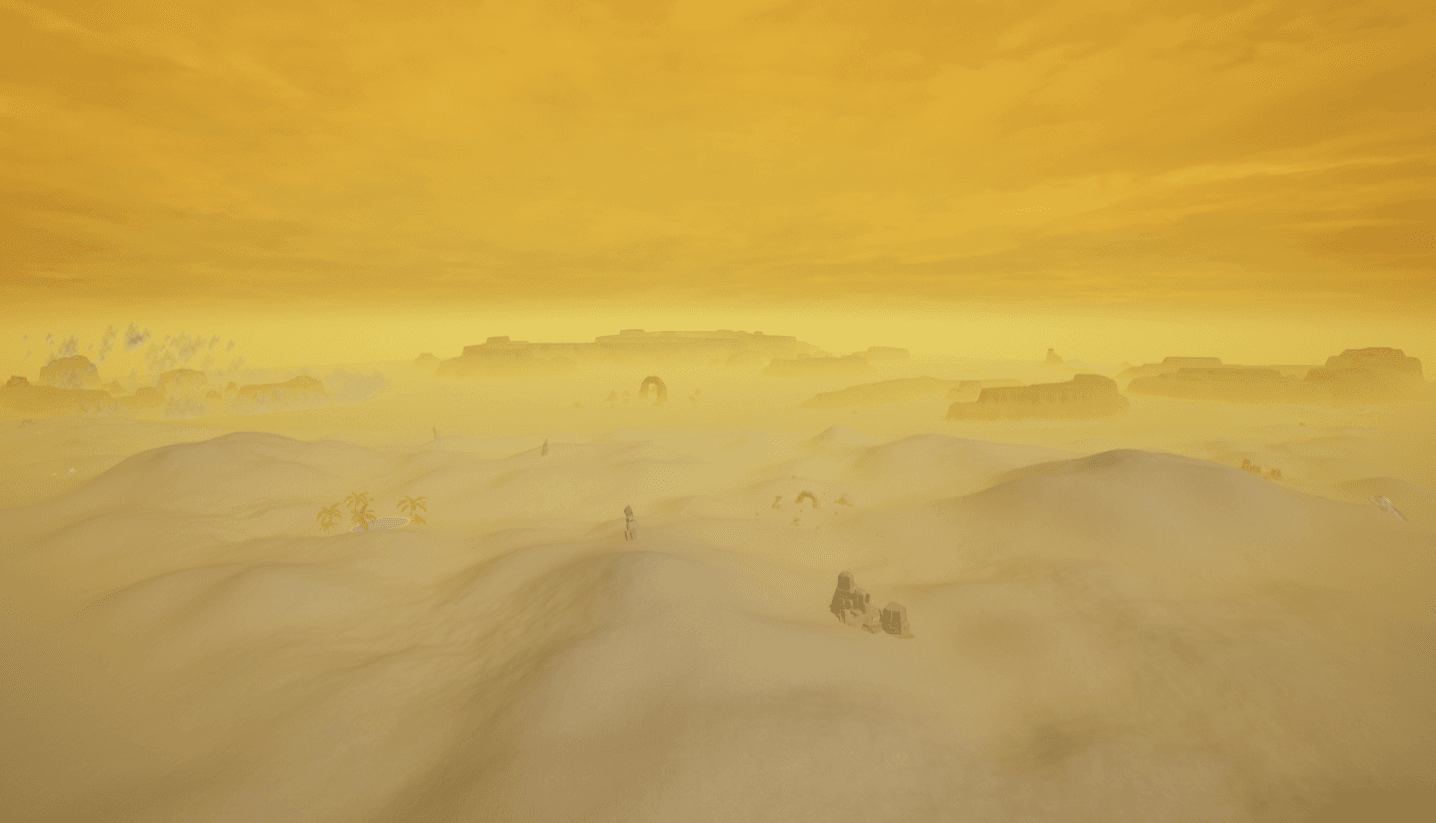
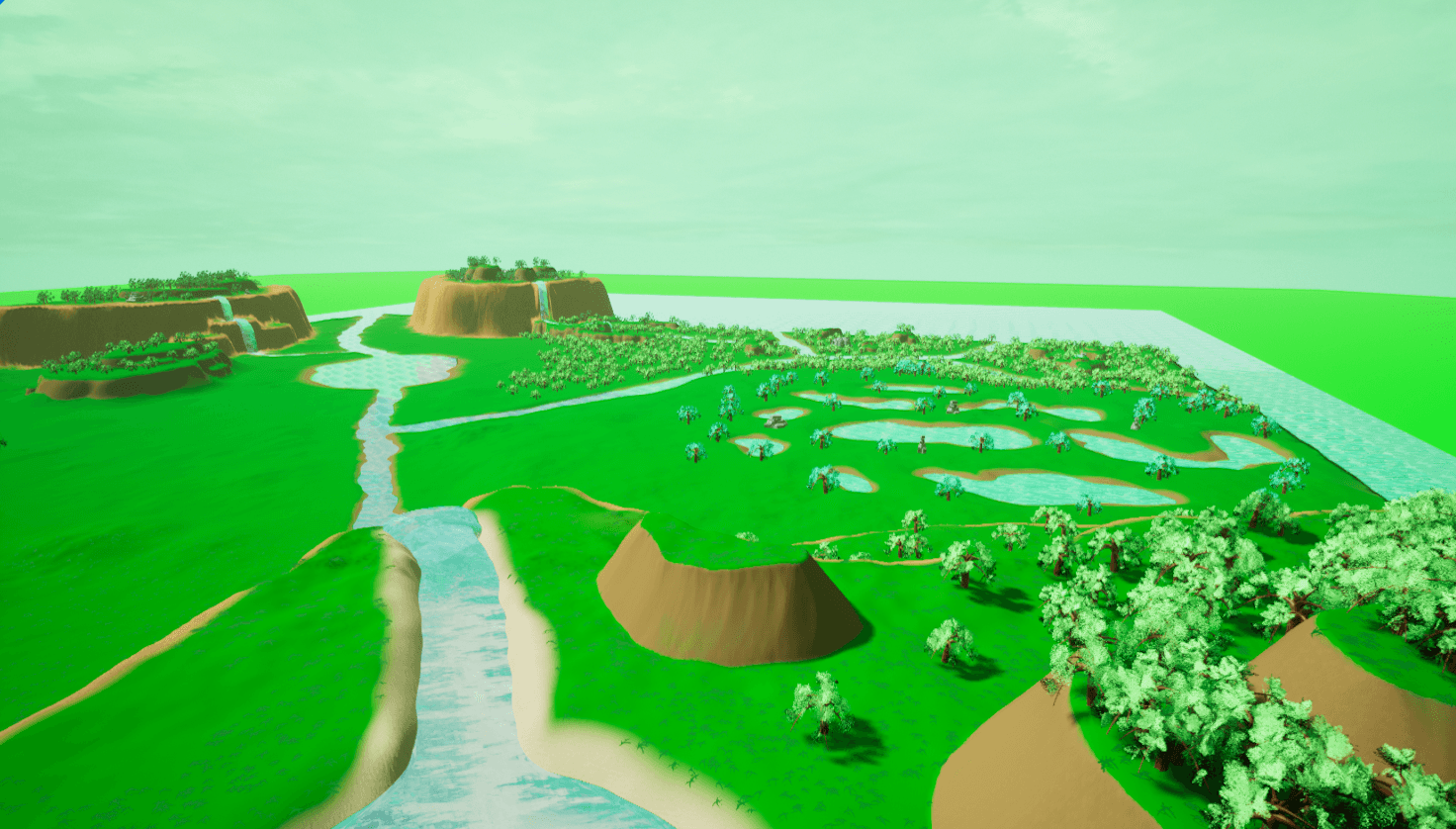
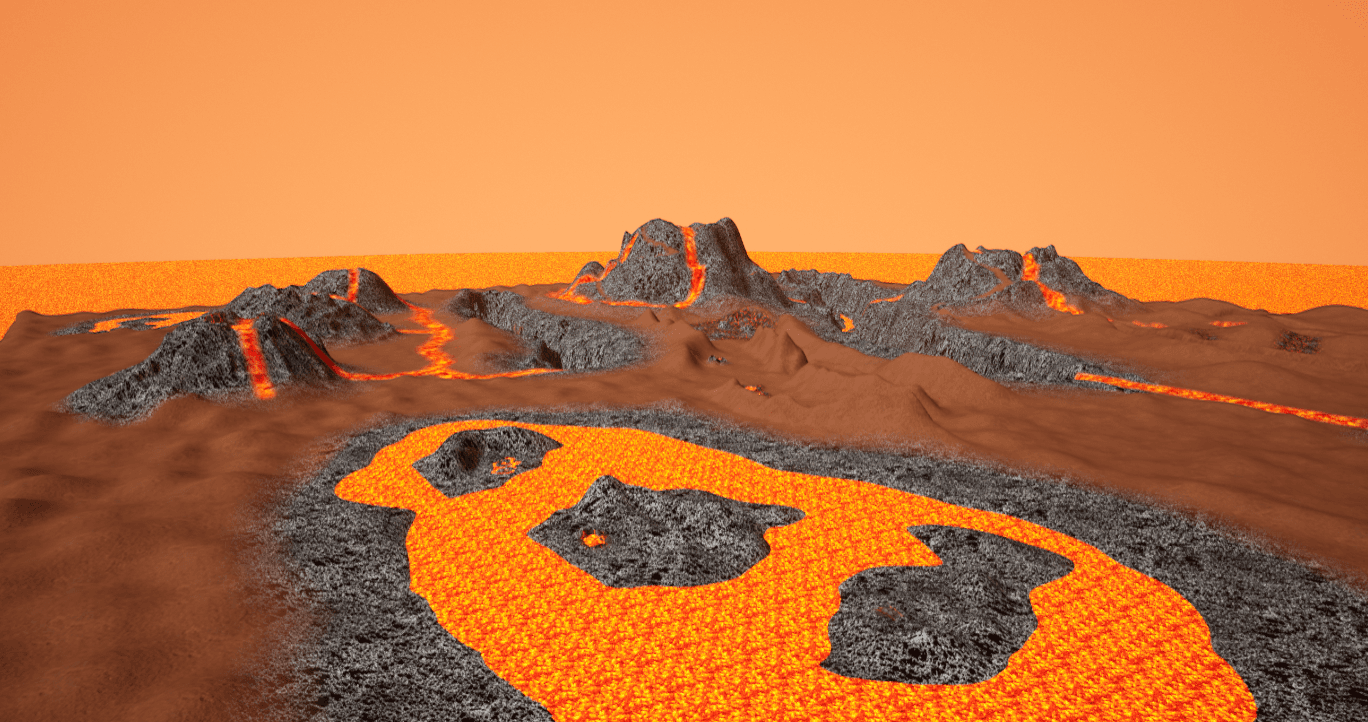
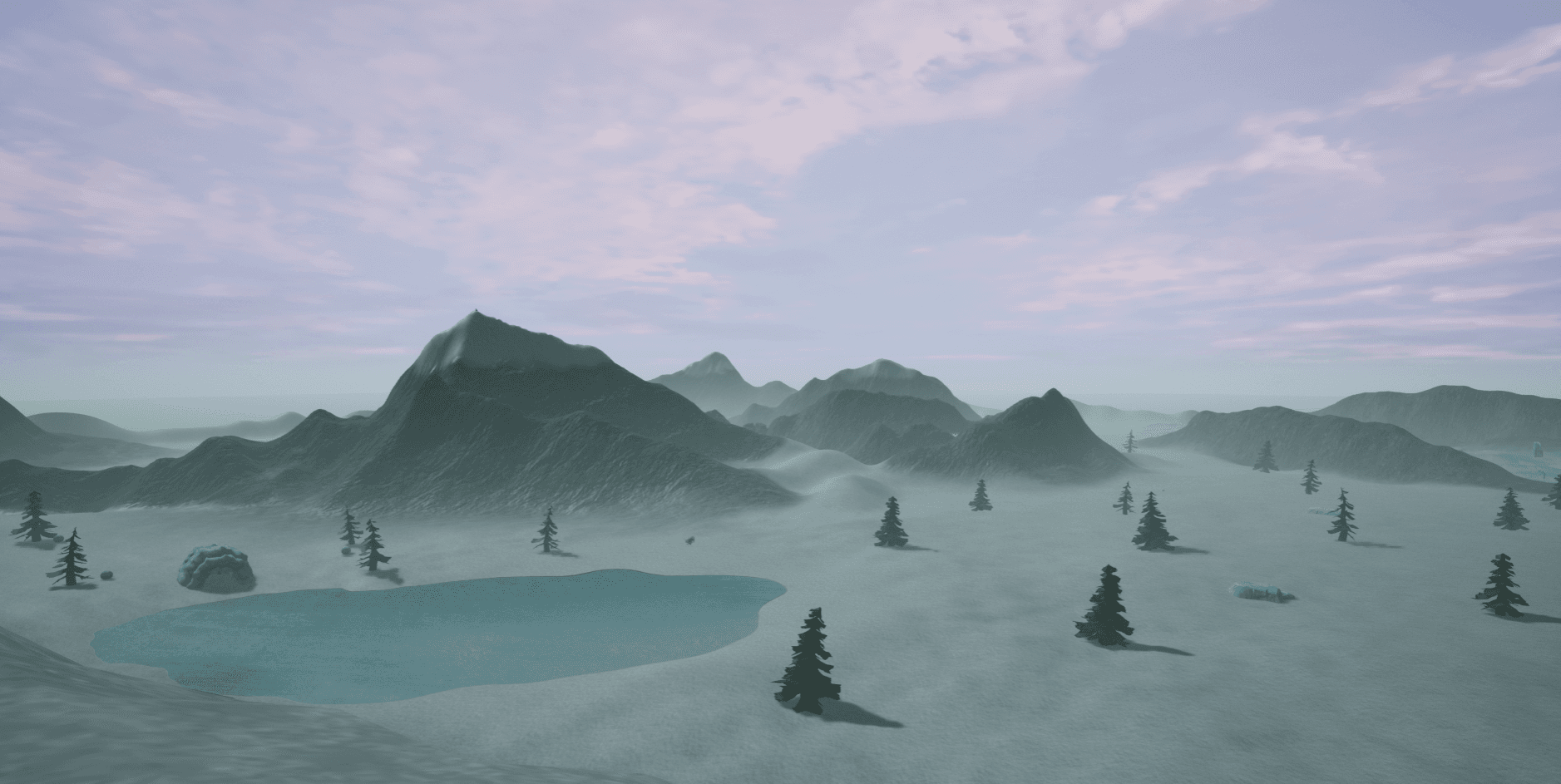
Each world is reached through the space zone. This graph uses real in-game screenshots instead of concept art to show the playable planets documented in the project.

Space Zone

Space Zone

Travel hub between worlds

Earth

Earth

Starting world

Miraju

Miraju

Desert survival planet

Mitsurin

Mitsurin

Forest world

Funka

Funka

Volcanic planet

Kagami

Kagami

Ice world

Vesus

Vesus

Late-game antimatter world

Travel moves through a dedicated space zone before reaching each world

Every planet adds a distinct biome and progression step

The planet screenshots come from the GitHub project documentation, not from concept art

This graph is intentionally product-facing: it shows playable scope rather than internal code structure

The right story for the portfolio is world scale, persistence, and iteration

The project remains useful because it reached a real playable state despite weak engineering structure

Creatures

Creatures are a core gameplay system in Stellarium rather than simple enemies. Depending on the species, they can become mounts, combat allies, utility companions, or breeding lines with mutations and inherited stats.

Taming and mounting were part of the progression loop, with some creatures built for travel while others were better for combat or support.
Each important species had its own special ability such as traps, lava attacks, illusions, storm control, ore detection, or crowd-control effects.
Breeding introduced inheritance, mutations, and stat variation, which made creature collection part of long-term progression instead of a one-off unlock.
Creatures also had biome-specific roles, so the roster helped differentiate planets beyond pure environment art.
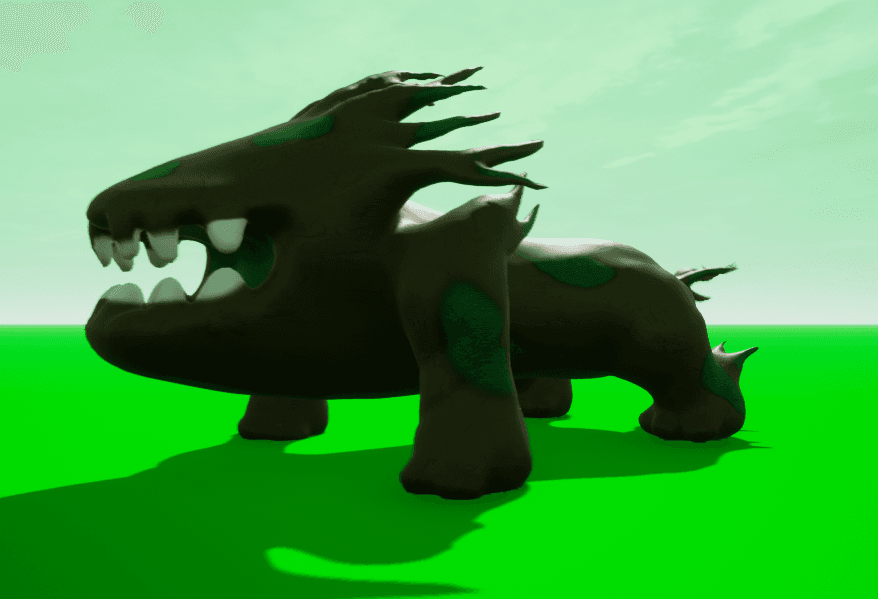
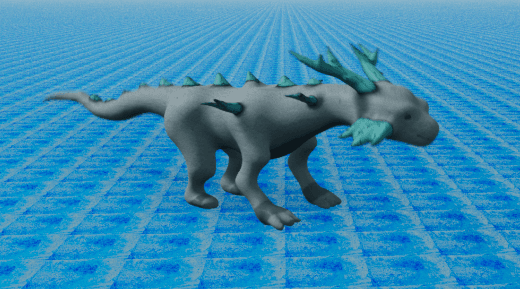
In-game screenshot of the Araneoide creature in Stellarium

Araneoide

A giant nocturnal spider-like creature that launches sticky traps to slow its targets.

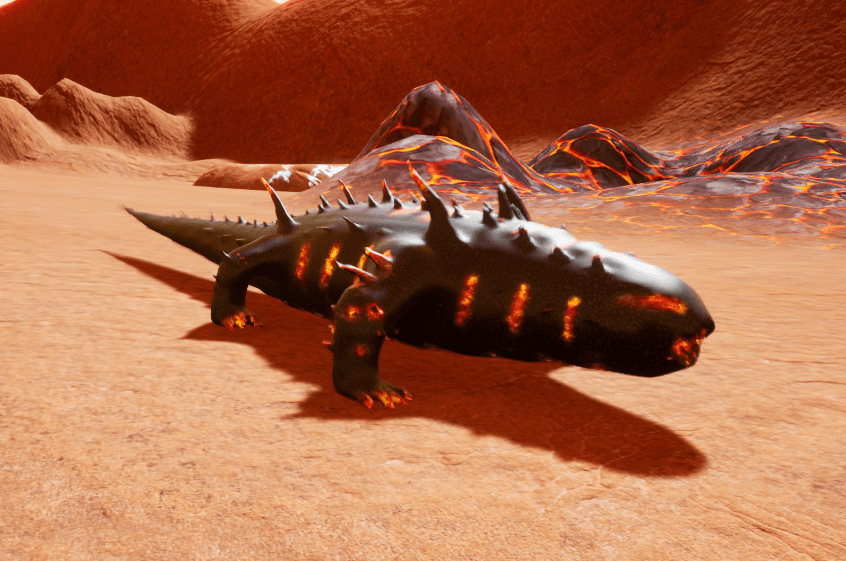
In-game screenshot of the Salavamandre creature in Stellarium

Salavamandre

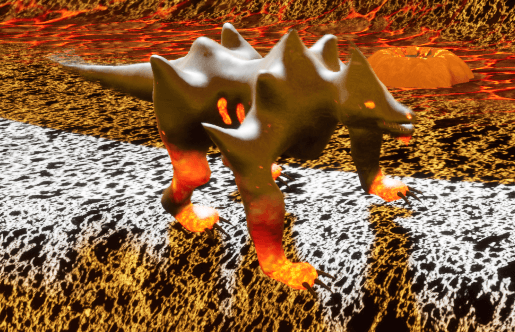
A volcanic salamander that climbs walls and fires burning lava projectiles.

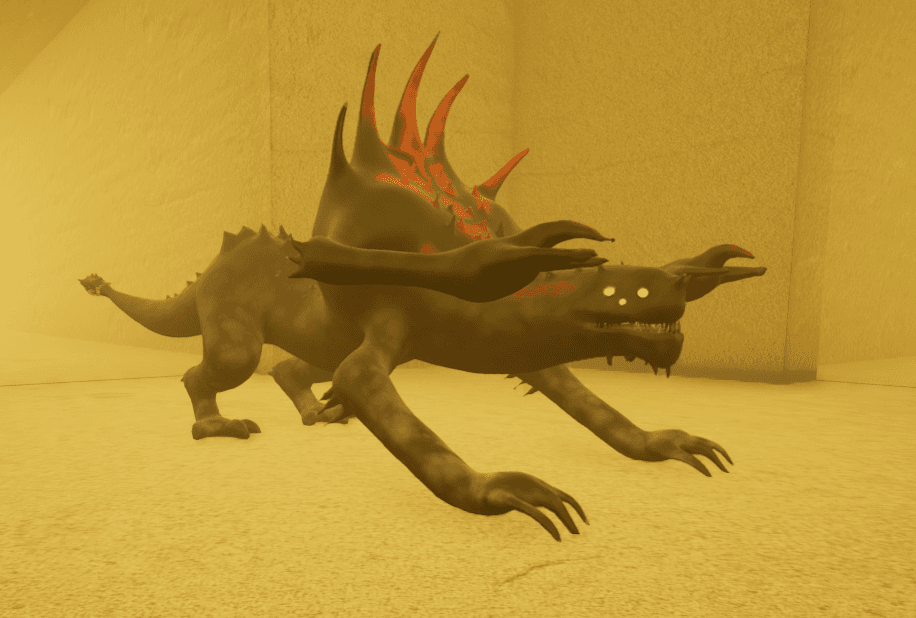
In-game screenshot of the Hazer creature in Stellarium

Hazer

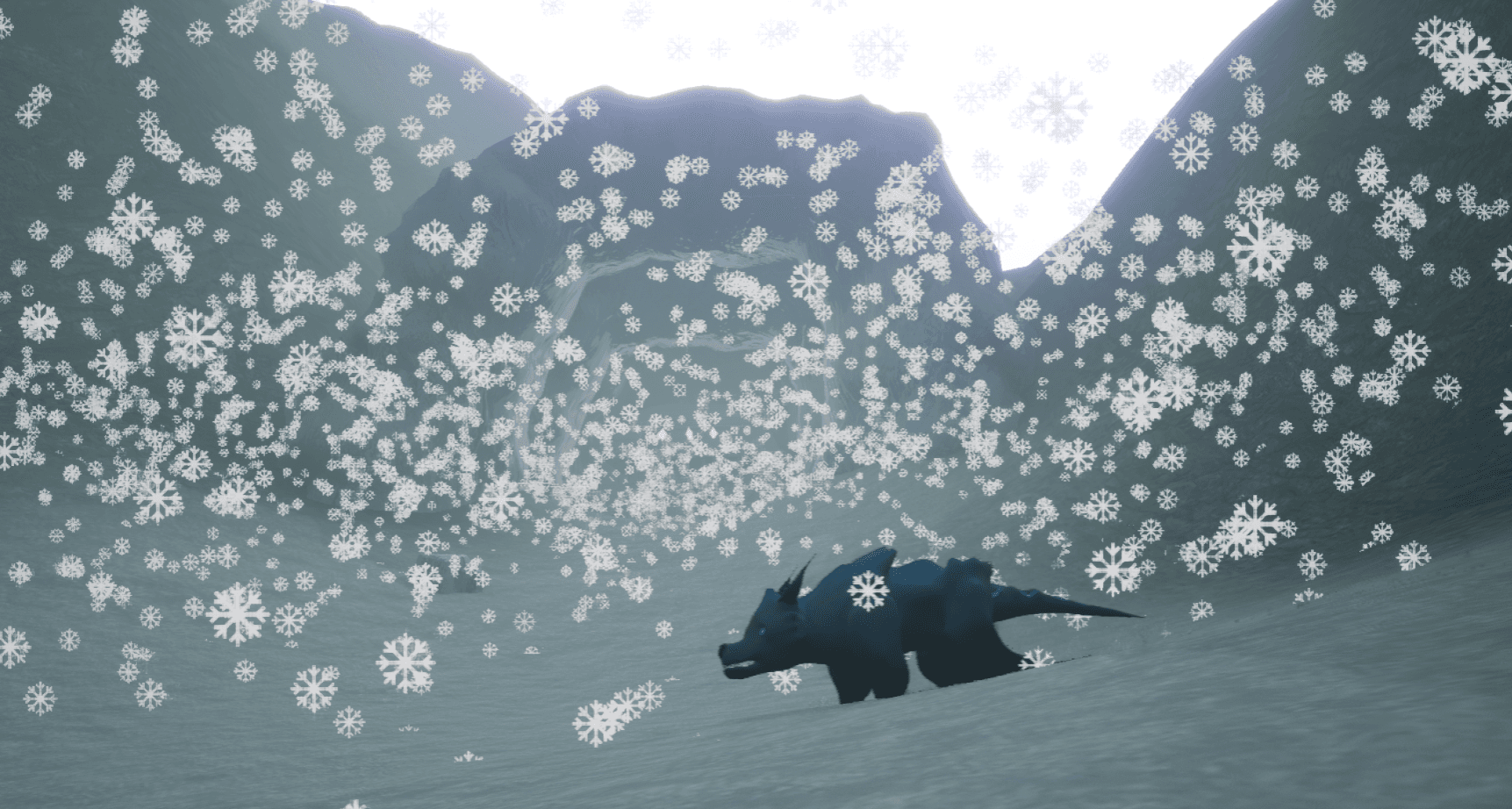
A deceptive wolf-like creature that creates illusions with blizzards to confuse enemies.

See More Creatures

Open the full creature roster shown as a graph of real in-game screenshots and short descriptions from the game design document.

+

Creature Roster

Complete creature set documented with real in-game screenshots. This graph intentionally has no links: it is a visual roster, not a system diagram.

Earth
Miraju
Mitsurin
Funka
Kagami
Vesus
Wolf

Wolf

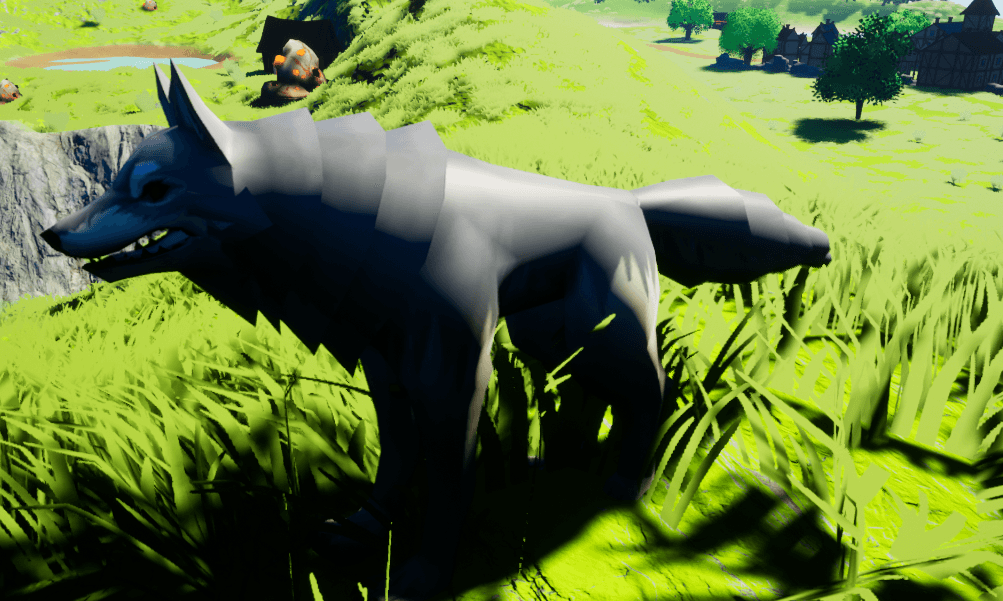
Pack predator from forests and mountains. Not mountable.

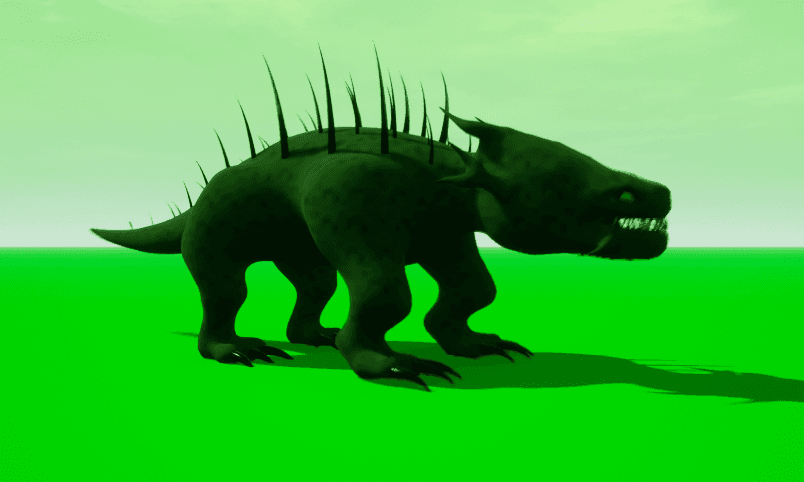
Bear

Bear

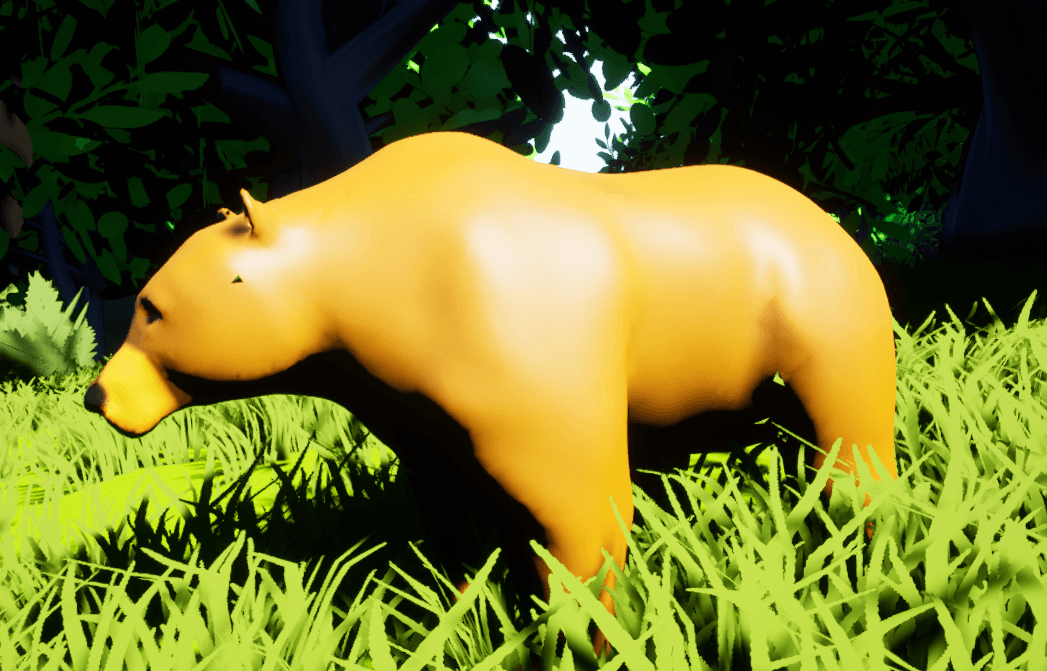
Territorial omnivore that hits harder at low health. Mountable.

Sheep

Sheep

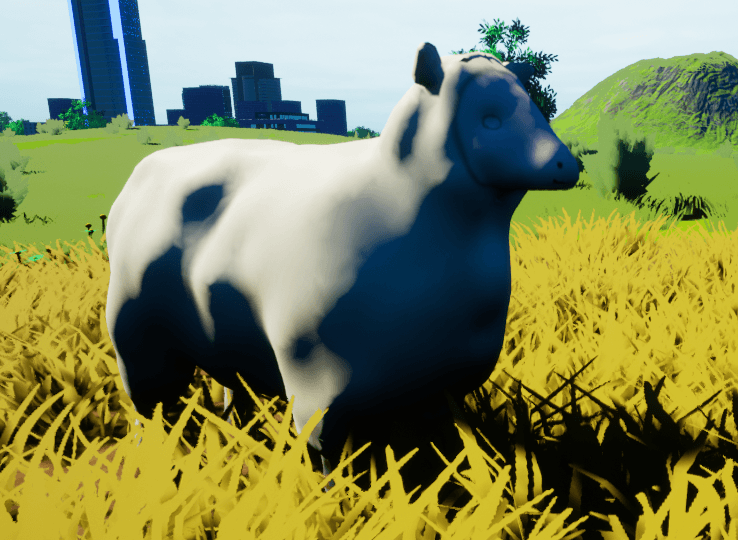
Peaceful plains creature used for wool and light travel.

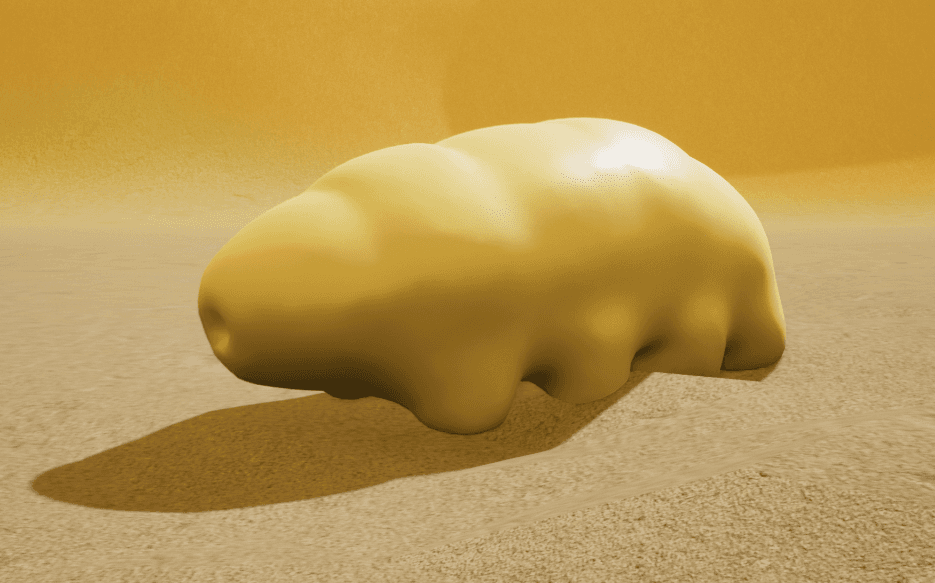
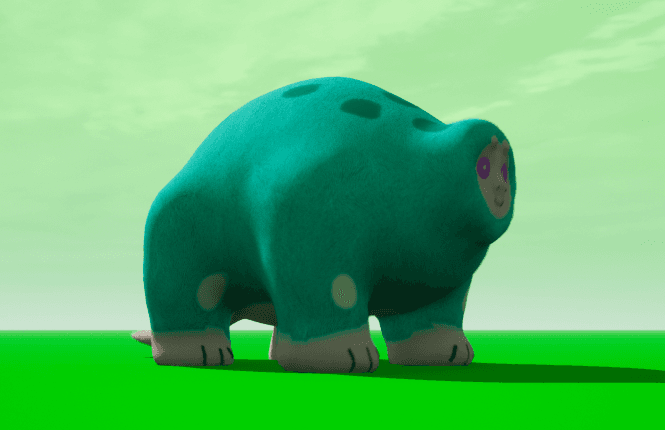
Tardigramorph

Tardigramorph

Almost indestructible giant with glide and temporary invincibility.
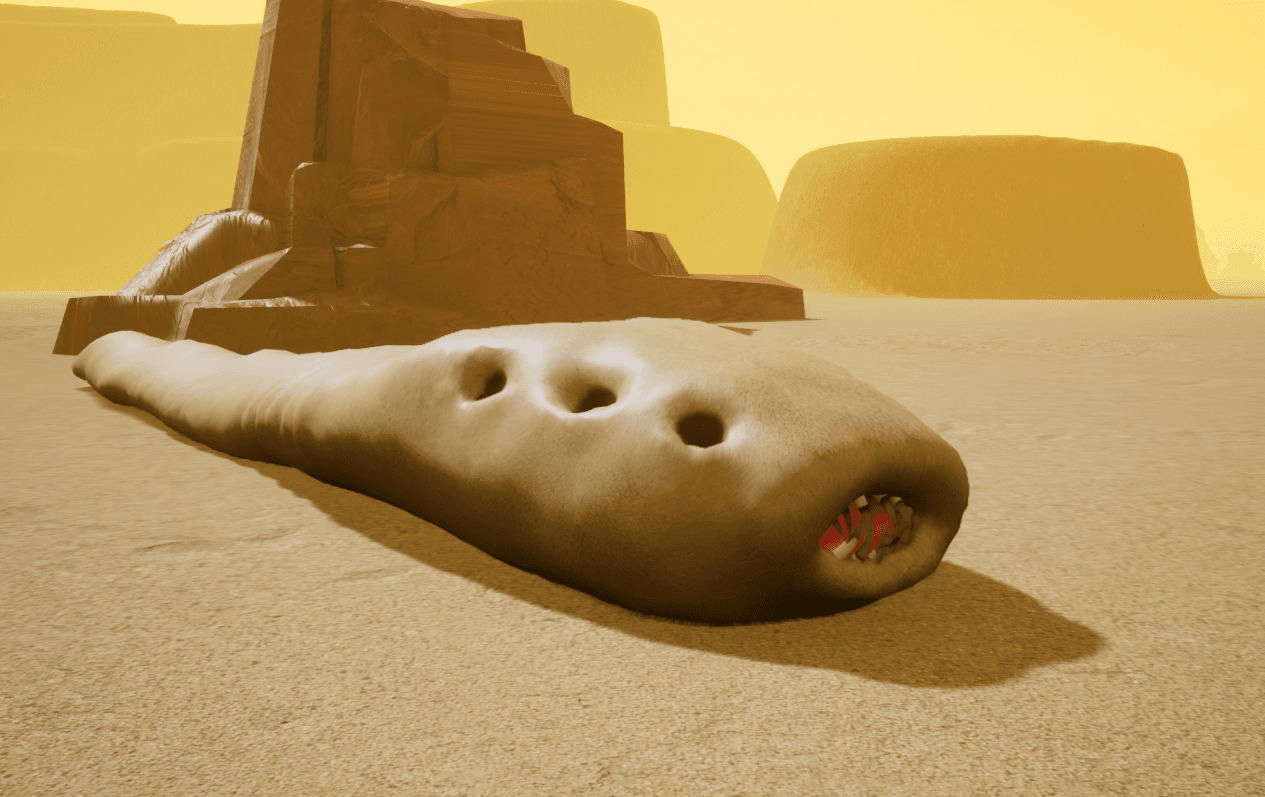
Slawormon

Slawormon

Cowardly giant that launches enemies with sand shockwaves.

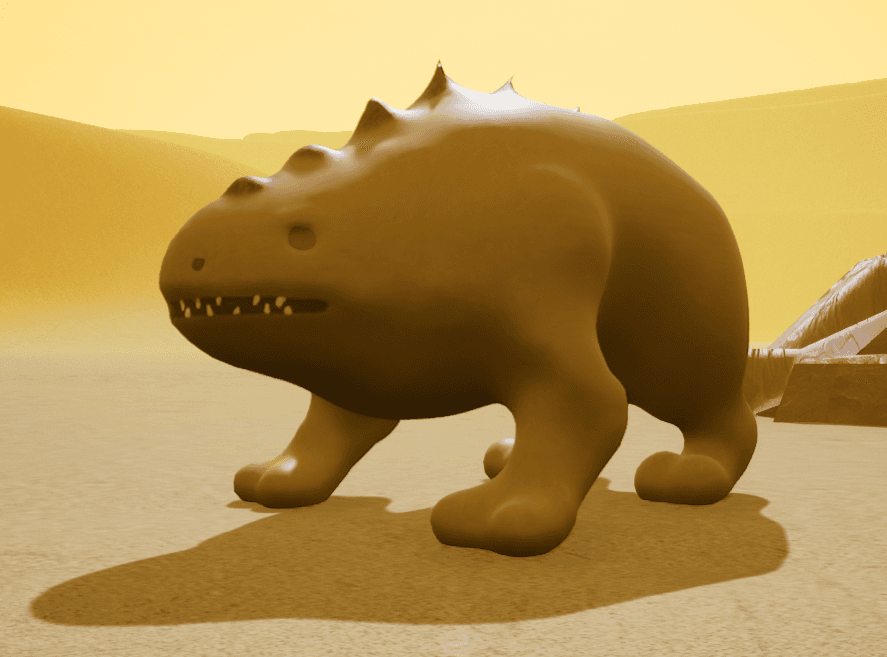
Muddy

Muddy

Huge herbivore that weakens enemies and buffs allies with sandstorms.

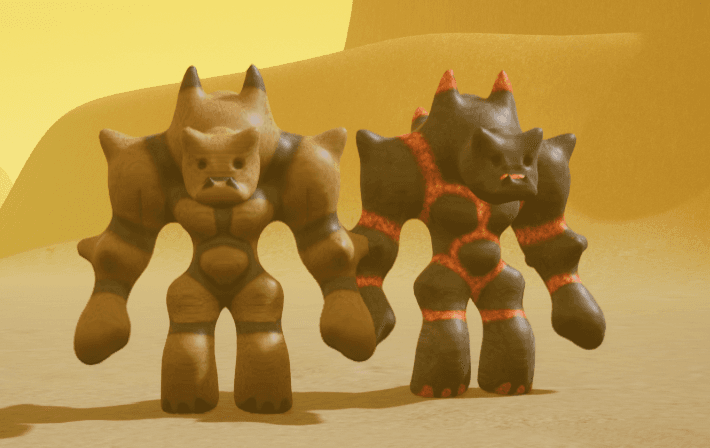
Golem

Golem

Stone giant that turns deadly once provoked and hurls boulders.

Araneoide

Araneoide

Aggressive nocturnal spider that throws sticky slowing traps.

Sower

Sower

Plant creature that drains life with seed clouds.

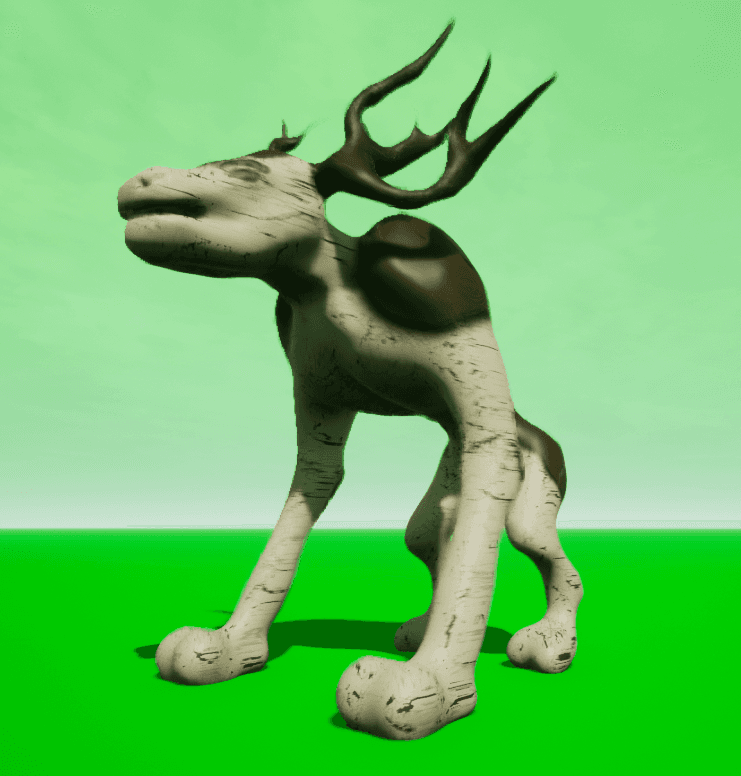
Cerval

Cerval

Fast bipedal deer using sleep mist for crowd control. Mountable.

Vicilis

Vicilis

Toxic battlefield controller that traps enemies with vines.

Bibou

Bibou

Peaceful giant herbivore useful for breeding and mutation chances.

Salavamandre

Salavamandre

Wall-climbing lava salamander that fires burning projectiles.

Chrysomancer

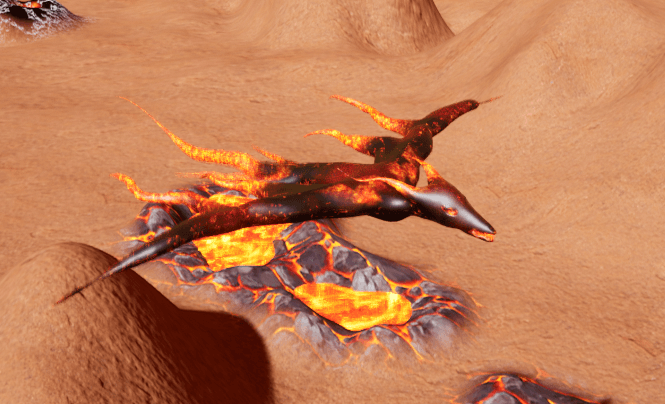
Chrysomancer

Fast flying fire creature that crashes into enemies explosively.
Erudon

Erudon

Massive fire-immune predator that creates explosive lava craters.

Snow-Saurus

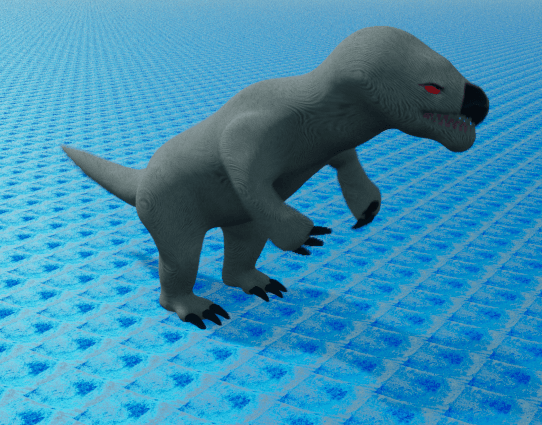
Snow-Saurus

Snow combat brute with ice breath and knockback. Mountable.

Reaper

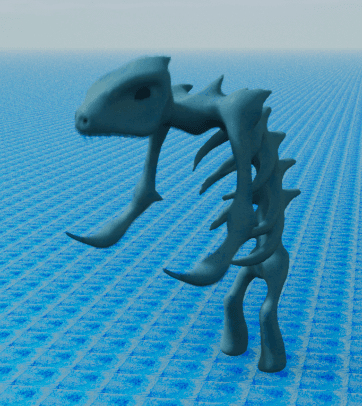
Reaper

Ice creature with long-range claws and strong crowd control.

Hazer

Hazer

Illusion-based wolf that uses blizzards to confuse enemies.

Dazzle

Dazzle

Massive beast that blinds and disorients targets. Mountable.

Tronvoide

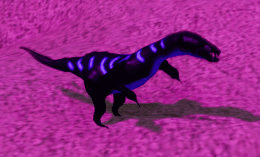
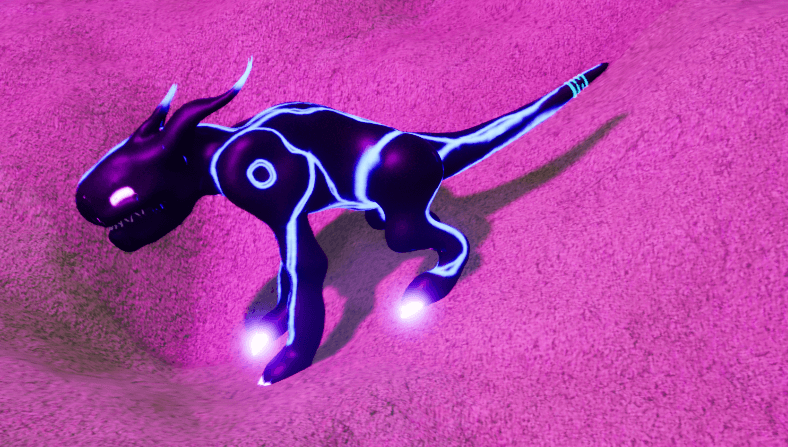
Tronvoide

Night-active ambusher that teleports behind enemies.

Stormvoker

Stormvoker

Vesus colossus that summons deadly lightning storms.

Negatron

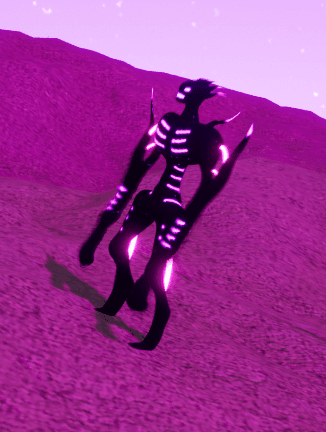
Negatron

Humanoid antimatter user with teleporting area damage.

Hyppoglow

Hyppoglow

Peaceful mount that reveals ore veins and rejuvenates allies.

Items

Items are unlocked through engrams and crafted from gathered materials. The system spans combat gear, armor, building modules, starship propulsion, utilities, and consumables used for survival, traversal, or creature management. When a category did not have a strong dedicated screenshot, it stays text-first instead of reusing a generic inventory image.

Item Categories

The item system spans weapons, armor, building pieces, ship parts, utilities, and consumables unlocked through engrams and crafted from gathered resources.

Weapons

Weapons

Pistols, rifles, launchers, elemental guns and tranquilizer gear

Building

Building

Modular walls, materials and dome structures for base construction

Engines

Engines

Thermal, nuclear and antimatter propulsion for starships

Utilities

Utilities

Storage, portals, cloner, control panel and ship support tools

Weapons include melee, firearms, elemental rifles, tranquilizer gear, and late-game antimatter weapons.

Armor progresses from metal and platinum sets to Tek and cosmic armor, with upgrades for oxygen, climate resistance, fall damage, and movement. This category is described directly because I did not have a clean dedicated screenshot for it.

Building items use modular pieces and materials with different durability and weight, plus large domes for advanced bases.

Starship engines scale from thermal to antimatter reactors, which changes how interplanetary travel feels.

Utilities cover storage, portals, turrets, cloners, ship controls, and other support systems.

Consumables and tools include healing potions, strength boosts, cryopods, teleport devices, and mining tools. This one also stays text-first instead of forcing a weak visual.

Other Mechanics

Beyond the planets and creature systems, Stellarium also pushed dungeon content, boss fights, inventory management, progression, and a broader survival loop.

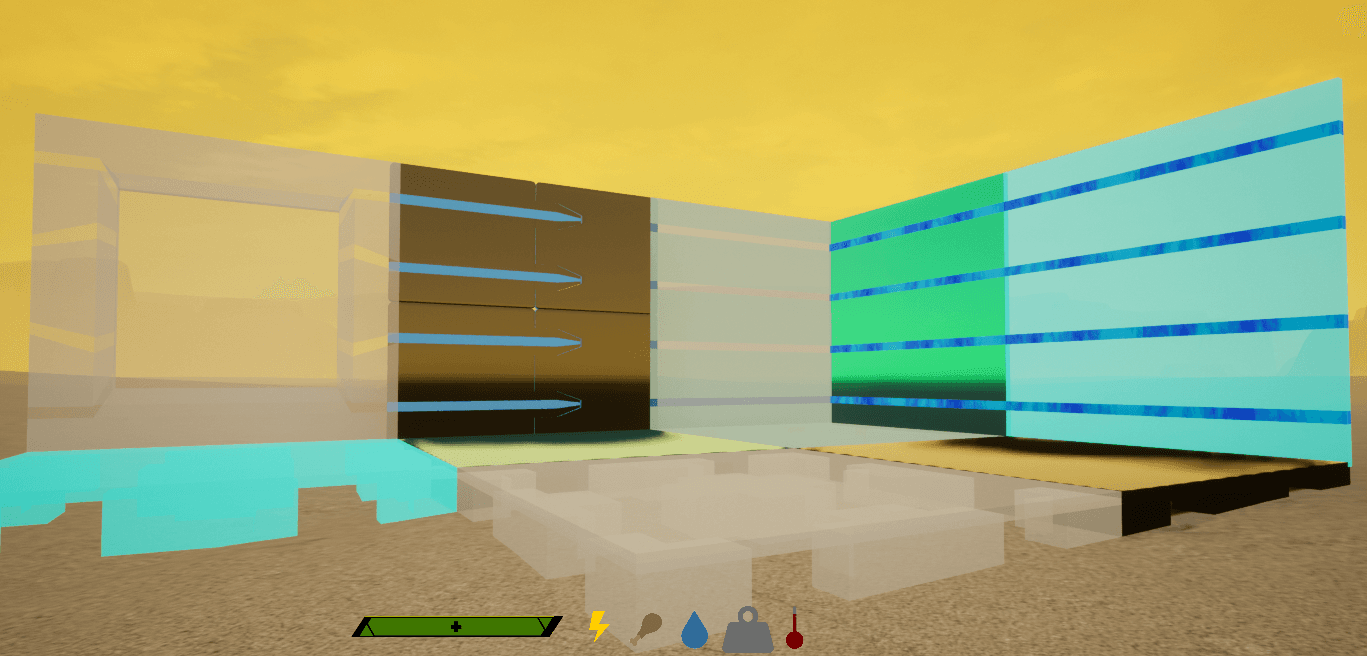
In-game screenshot of base construction in Stellarium

Base construction

Base building was already part of the project scope, with modular construction pieces and a broader survival loop around placement, materials, and shelter.

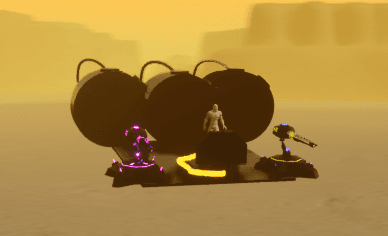
In-game screenshot of starship construction in Stellarium

Starship construction

Ship building mattered because interplanetary travel was not just decorative: it was tied to progression, engines, and how planets were actually reached.

In-game screenshot of dungeons in Stellarium

Dungeon content

A concrete example of additional gameplay scope layered on top of survival and exploration.

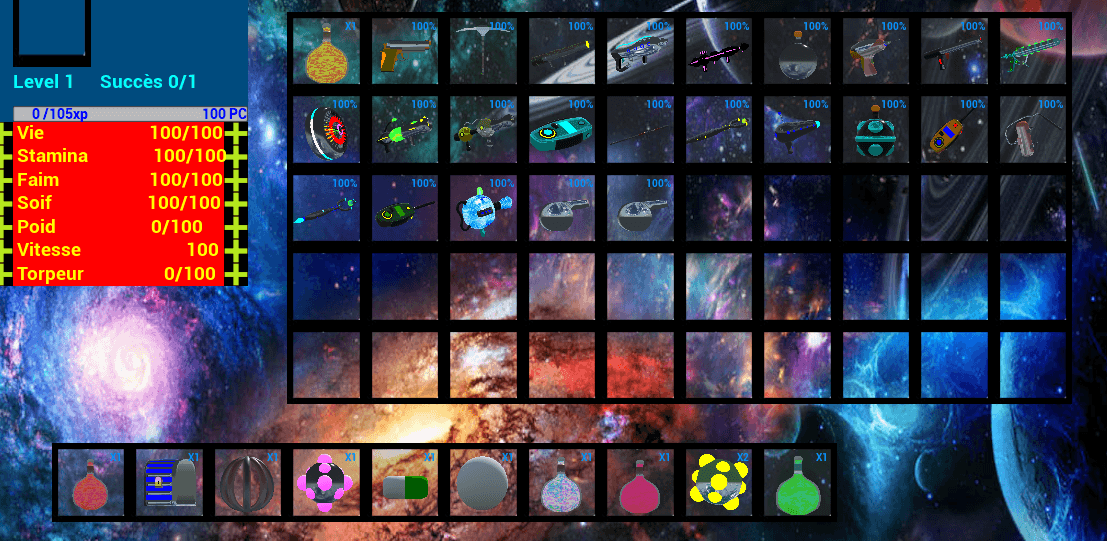
In-game screenshot of the Stellarium inventory

Inventory

The inventory gives a clearer view of the amount of gear, tools, consumables, and progression items the project tried to support.

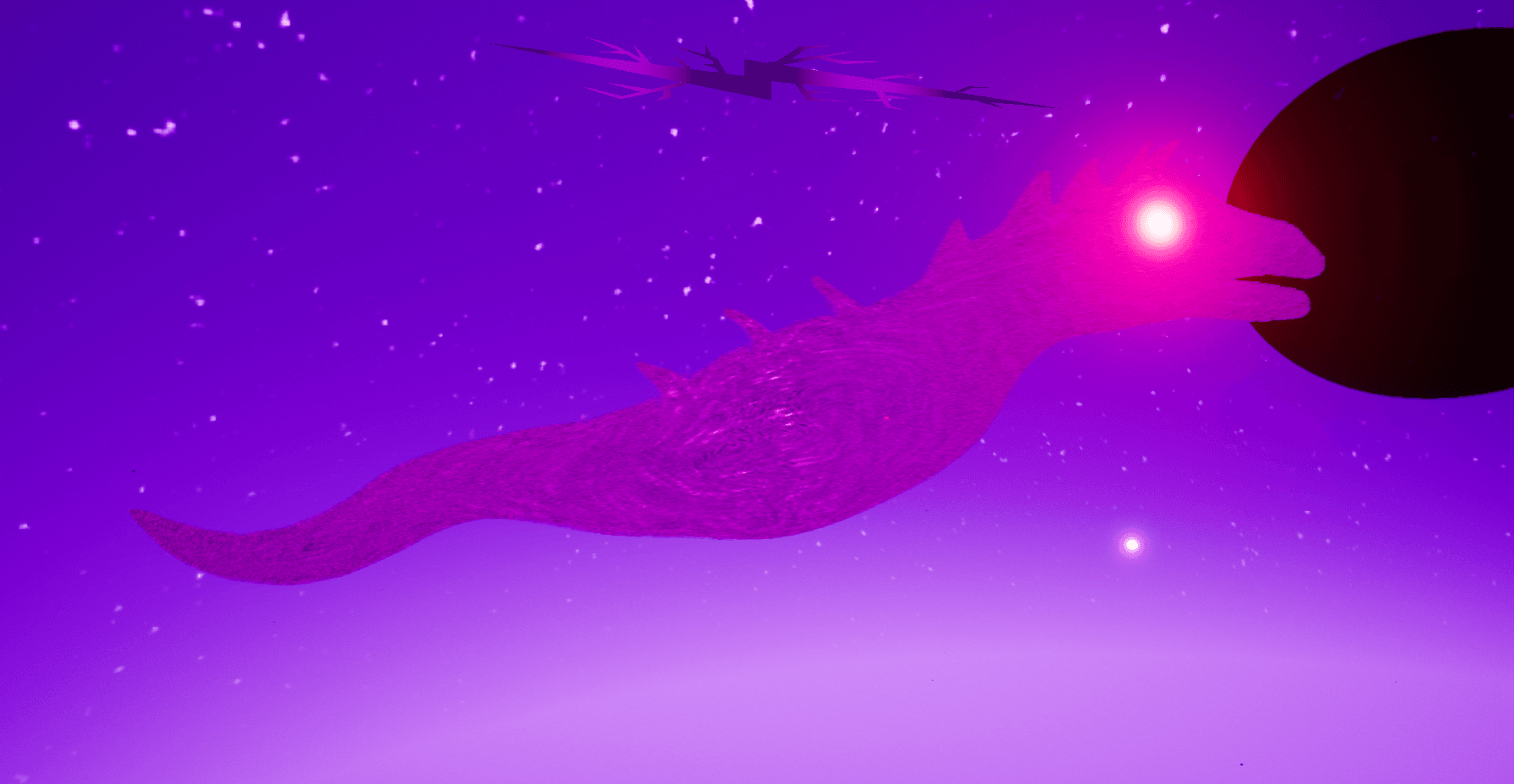
In-game screenshot of Eclipse, the final boss in Stellarium

Final boss

The boss screenshot works as a strong proof of endgame ambition and gives a concrete close to the visual story of the project.

Trailers

The trailers are embedded directly in the page so the project can be watched without leaving the portfolio.

Trailer 1

Shorter trailer integrated directly into the page so the project can be watched without leaving the portfolio.

Trailer 2

A second direct-play trailer to show more of the game without forcing an external navigation flow.

Final trailer

The full seven-minute trailer is still available inline for people who want the complete proof of what was shipped.

Deep Dive

Why It Matters

This project proves persistence and autonomy more than engineering quality.

+

Stellarium was built before my formal software engineering training, so it should not be read as a benchmark for architecture or maintainability. I include it because it shows that even at that stage, I was already capable of carrying a project on my own for a long period.

Fifteen months of solo execution, multiple systems, documented iterations, and a playable result are the real signals here. It is evidence of discipline, curiosity, and the ability to keep building when a project stops being easy.

Presented this way, Stellarium strengthens the portfolio instead of weakening it: it shows where my builder mindset started, while my more recent projects show how much my engineering level has improved since then.

What I Learned

The strongest lesson came from living through complexity, not from perfect implementation.

+

This project taught me what it means to sustain a long scope alone: defining iterations, keeping motivation, and moving an idea forward even when the system becomes messy.

It also gave me an early, concrete understanding of technical debt. When structures are weak and responsibilities are unclear, every new feature becomes more expensive. That lesson matters a lot because I learned it by hitting the wall myself, not by reading about it.

A big part of my current engineering discipline comes from that contrast. Stellarium is the kind of project that makes later architectural rigor feel necessary, not theoretical.

What I Would Do Differently Today

I would keep the ambition, but rebuild the structure from the start.

+

With my current level, I would split systems much more clearly, define boundaries earlier, and reduce the amount of complexity that accumulates invisibly between iterations.

I would also be stricter about maintainability, especially around how gameplay systems, progression, creatures, and world content evolve together over time.

That is exactly why the project remains useful in the portfolio: it does not represent my current standards, but it explains why I now care so much about them.